






Profile and history of the department
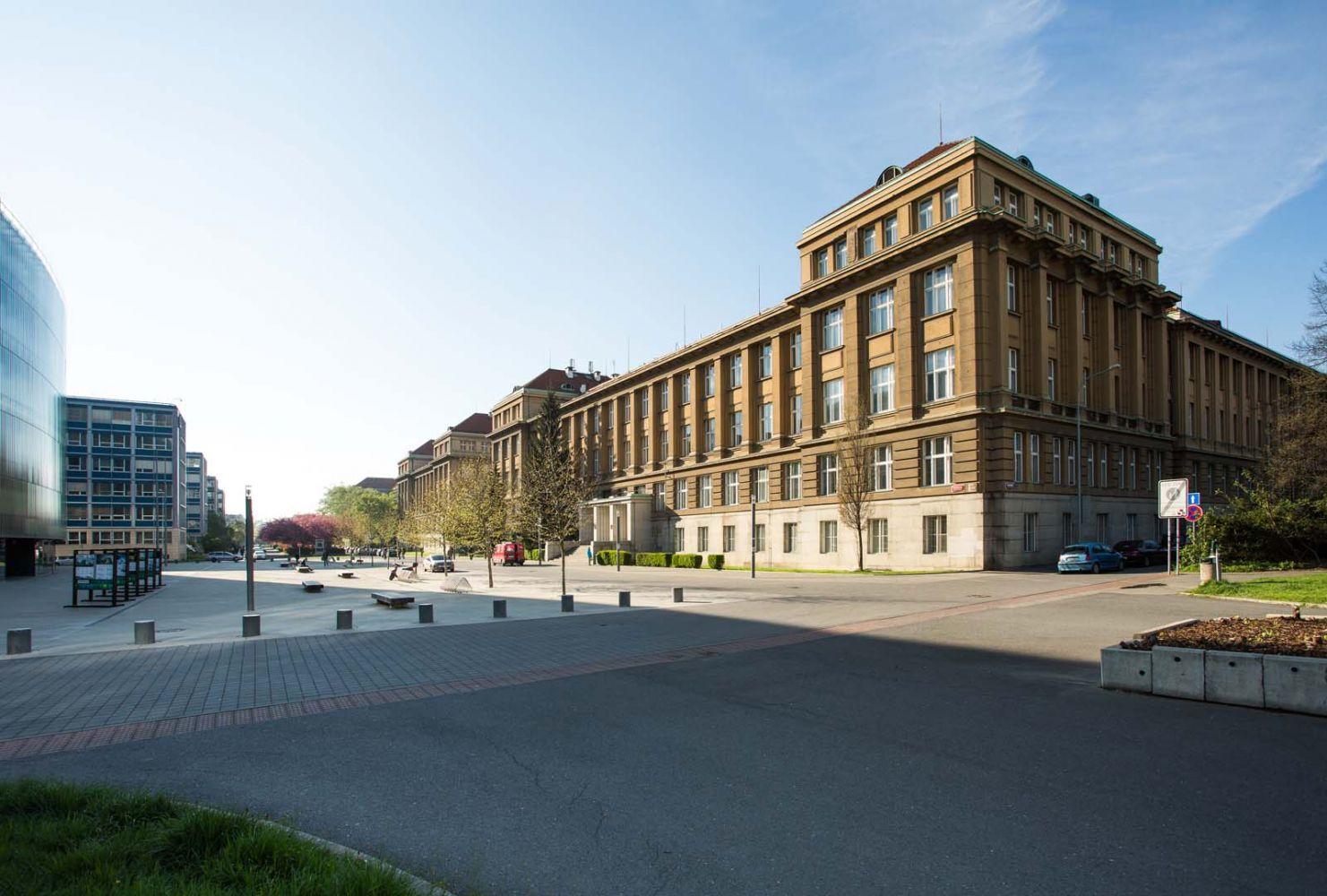
Department Profile
Currently, the significant research potential of our department is represented by working groups focused on advanced composite materials (high-temperature superconductors, thermoelectrics, carbon nanomaterials, magnesium and calcium binders), semiconductors and nanomaterials, biocoordination chemistry, transition metal oxide materials, synthetic hard materials and research on interactions of substances in low-temperature plasma, optoelectronic materials and materials for photonics.
The department provides teaching of many subjects, including: "General and Inorganic Chemistry I" (GIC I), "Chemical and balance calculations" (CBC) a "Inorganic Chemistry: Laboratory I" (ICL I), which are common core subjects of the UCT Prague.
History of the Department and Teaching of General and Inorganic Chemistry (GIC)
Today's Department of Inorganic Chemistry was established approximately 3 years before the independence of the Institute of Chemical Technology in 1952 and provided teaching of the subject "Inorganic Chemistry" and "Laboratory exercises in inorganic chemistry".
Since 1807, General and Inorganic Chemistry, along with Mathematics, has been a founding subject at the Royal Estates Technical College in Prague. Since then, chemistry has always been a base subject at this school, which gradually changed to the Prague Polytechnic, the Czech Technical University in Prague, and in 1920 to the Czech Technical University, of which our school was a part until 1952.
↓
|
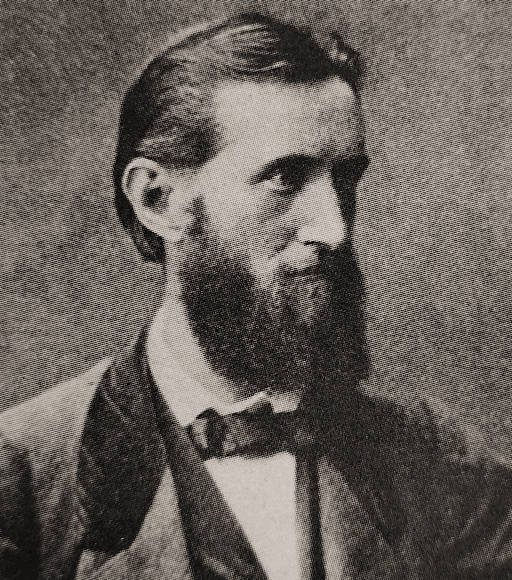
-1868 The first professor teaching GIC in Czech was Jan Staněk. He taught chemistry at the Prague Polytechnic in the former Liechtenstein Palace on Kampa. He began his lectures in Czech as a private associate professor, because the Vienna Ministry of Education at the time issued a regulation that Czech lectures at the Polytechnic were only permitted to private associate professors and only in addition to the mandatory "regular" German lectures. In addition to the chemistry, he was also interested in art, played a number of musical instruments and published a collection of poems. He was also active in politics, became a deputy of the Czech Provincial Assembly and the Reichsrat, from 1863 edited the political newspaper Pozor (Alert). |
↓
|
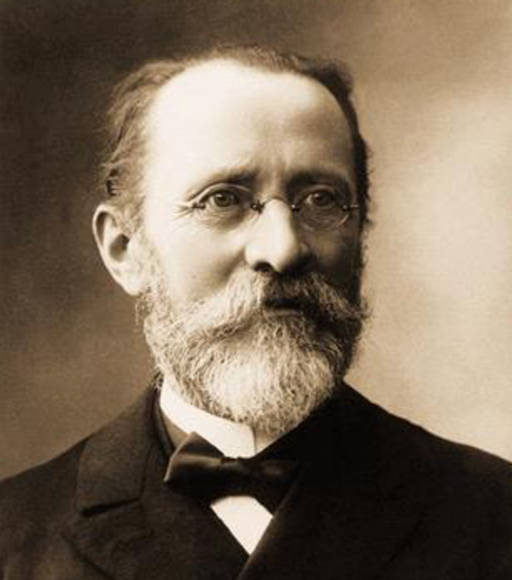
1869-1882 Vojtěch Šafařík was not the only significant figure in the inorganic chemistry area at the Polytechnic in this period; among others, we should mention at least František Štolba, who was appointed professor of technical chemistry at the Polytechnic in 1869 and who is also considered one of the founders of inorganic and analytical chemistry in our country. He was the author of many scientific treatises, of which his work on fluoroborates stood out in particular. After 1882, he devoted himself to metallurgy and smelting. |
↓
|
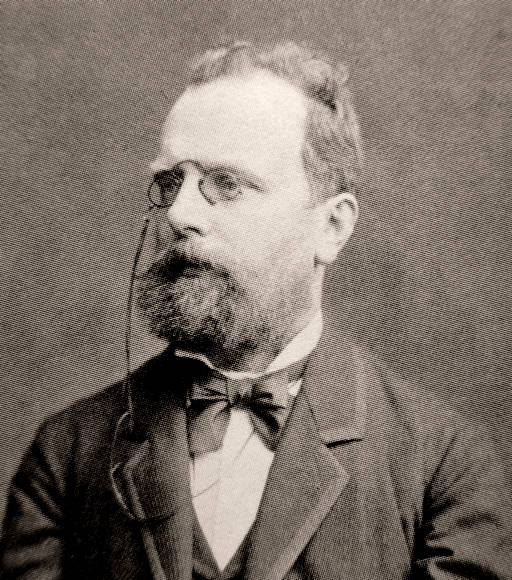
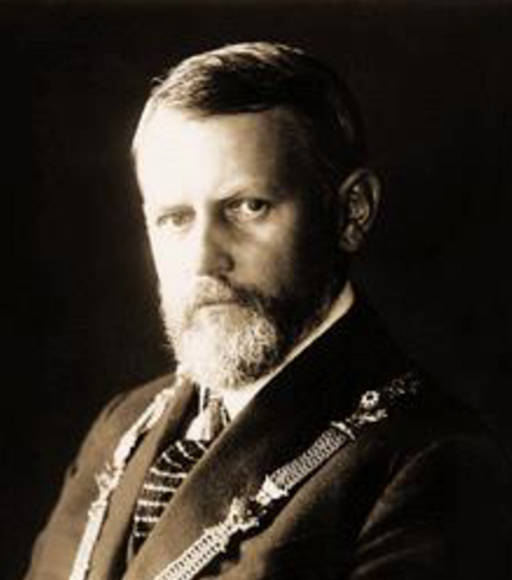
1882–1907 After Vojtěch Šafařík left the school, Professor Karel Preis took over the lectures on inorganic chemistry, for which he also published several textbooks. His scientific work focused on the field of inorganic and analytical chemistry, as well as on sugar production. He was responsible for the founding and publishing of the journals Listy chemické ("Chemical Pages") and Listy cukrovarnické ("Sugar-industry Pages"). In 1895, he founded the Sugar Research Station at the Polytechnic, where, together with Emil Votoček and Julius Stoklasa, he initiated what we today call "applied research". |
↓
|
1907–1938 From 1907 to 1938, Emil Votoček, perhaps the most important and famous figure in the Czech chemistry, was a professor of experimental inorganic and organic chemistry at our school. His contribution to the excellent Czech chemical nomenclature is widely known. However, Professor Votoček's main contribution was to increase the level of chemistry teaching and research activities at our school. He was the author of excellent textbooks on inorganic and organic chemistry, from which benefited several generations of students. He educated a number of important chemists - the best known to the chemical public is Otto Wichterle (inventor of soft contact lenses or nylon fibre). |

↓
|
1939–1945 The forced closure of all Czech universities by the Nazis during the World War II occupation of Czechoslovakia. |

↓
|
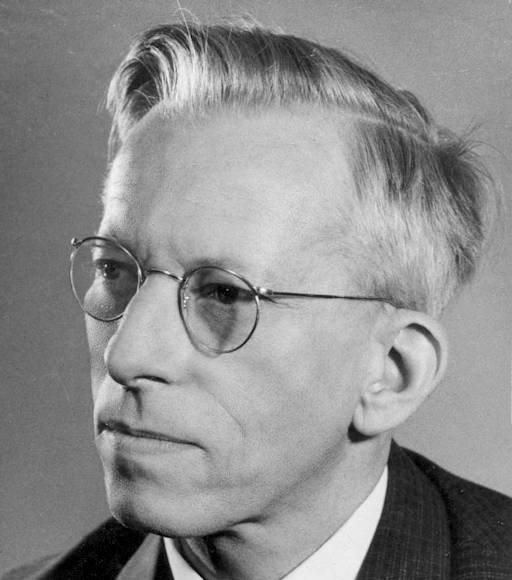
1945–1948 After World War II, Ing. Stanislav Malachta took over the OACH lectures. However, after the 1948 communist coup d'état, Malachta emigrated to England, where he had previously worked as an external consultant at STS 46 (the SOE training center). In London, a "Laboratory of Czechoslovak Chemists" was even set up for him for these purposes during the WWII, from where he commuted to teach the "science" of producing explosives and incendiary substances for sabotage actions by Czech paratroopers preparing for diversionary actions in the territory of the Nazi Protectorate of Bohemia and Moravia. |
↓
|
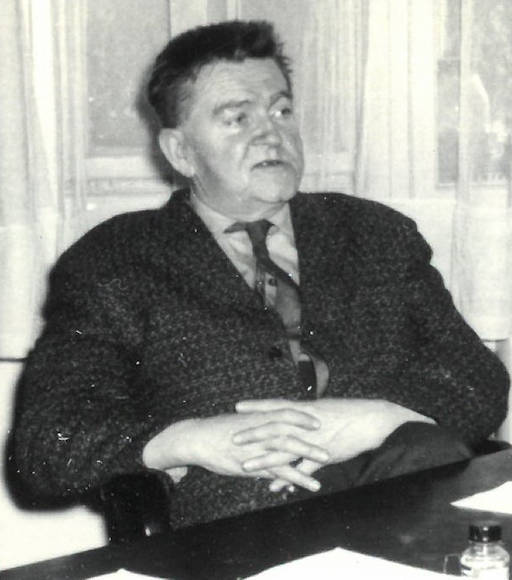
1948–1951 In 1948, Otto Wichterle took over teaching of OACH, who, among other things, introduced a new way of interpreting structural formulas and applied Pauling's resonance theory to describe the chemical bonding of inorganic compounds. He also reflected these then new concepts based on the deductive principle in new scripts that were created during the first semester of his lectures and published in 1950. He also implemented a new method of regular and thorough written testing of students during the semester, which was met with displeasure from the school's new communist political leadership, as graduates of workers' courses (who entered the school after February 1948) did not usually pass through these demanding tests. It is interesting that, similar to today, the "bottleneck" of the first year was the capacity of student's inorganic chemistry laboratories and therefore it was appropriate even then to include the mandatory OACH exam before the laboratory course. After three years, he took over the leadership of the newly established Department of Plastics (where he then successfully dealt with the synthesis of suitable material for eye implants, only to be fired from the school during the communist leadership political purge in 1958 and the research on intraocular lenses was intentionally ceased at the school!). |
↓
|
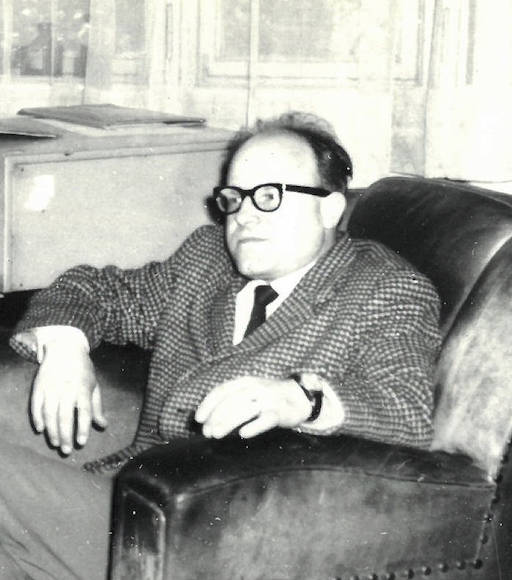
1951–1970 The establishment of the independent Institute of Chemical Technology in Prague (today's University of Chemical Technology - UCT) in 1952 was closely preceded by the establishment of an independent Department of Inorganic Chemistry, whose first head was Professor František Petrů. Under his leadership, the department scientific research systematically dealt with the chemistry of scandium and rare earths. In addition to studying the properties of Sc2O3 and metallic scandium, a number of other compounds were synthesized and characterized, and the department holds a world leadership in the preparation of some of them (Sc3C4, ScOF, Sc2OC, Y2OC, Sc(BrO3)3). The emerging coordination chemistry group there also began researching scandium and lanthanide complexes, which in later years refocused on transition metal compounds with biogenic ligands, thus becoming one of the pioneers of bioinorganic chemistry in our country. At the same time, another fundamental topic focused on advanced materials began to develop, initially focusing primarily on hard materials like metal carbides, nitrides, etc. |
↓
|
1970–1990 During the period of "normalization", the head of the department was Professor Bohumil Hájek, who, in addition to his authoritative style of leadership and active membership in political "review" committees after 1968, was also known for strictly requiring co-authorship of all publications produced at the department. This is probably why he is also a co-author of the otherwise very successful monograph General and Inorganic Chemistry by J. Klikorka, B. Hájek, J. Votínský, of whom the latter is actually the main author. The professional growth of the department's scientific and pedagogical staff gradually led to thematic differentiation and the creation of several other working teams, especially after 1975, when the department participated in the development of the concept of a new study field Chemical Technology of Metallic and Special Inorganic Materials and became a PhD training centre in the field of inorganic chemistry. The teams' research at that time focused on the theory of group symmetry and its application in the interpretation of vibrational spectra, materials for photonics with an emphasis on optical glasses, metallic glasses, high-temperature ceramic superconductors, titanium white (TiO2) and anti-corrosion pigments. |
↓
|
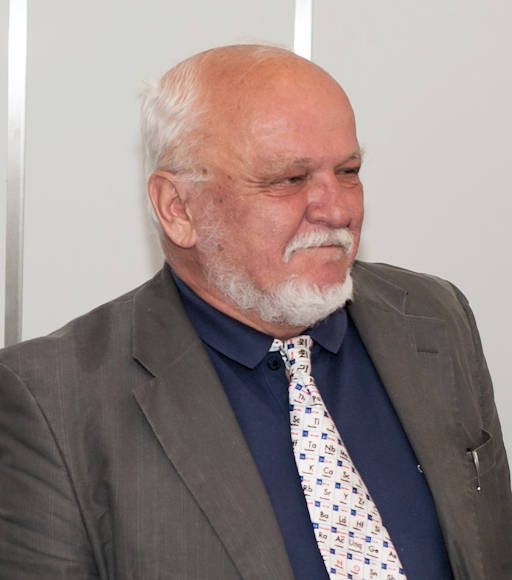
1990–2009 After the fall of communism in late 1989, Associate Professor Vratislav Flemr became the head of the department in 1990. Under his leadership, the teaching of subjects focused on the chemistry and physics of materials, advanced inorganic chemistry or coordination chemistry was developed. OACH teaching became the basis of the newly structured study at the university. Scientific research activities at that time were focused on research into the structure of solids and the study of the relationship between the structures and physicochemical properties, on research into the synthesis and applications of some special inorganic materials, especially hard and abrasive substances, superconductors, non-crystalline materials, pigments and luminophores, as well as on research into the structure and properties of coordination compounds. |
↓
|
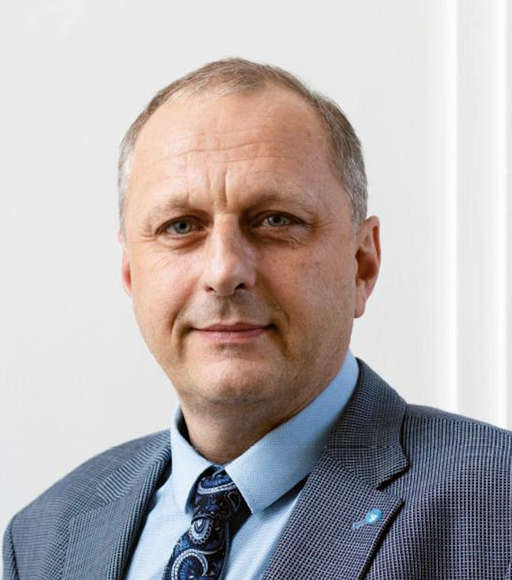
2009–2025 In 2009, Prof. David Sedmidubský became the head of the department for the next 16 years, under whose leadership the teaching of all guaranteed subjects has been fundamentally modernized and a team translation of the modern textbook Inorganic Chemistry by Catherine E. Housecroft and Alan G. Sharpe was published. As a recognized expert in the fields of thermodynamics, crystal chemistry and magnetism of inorganic materials, he managed to launch excellent research at our department and elevate it to the very top of the entire university. |
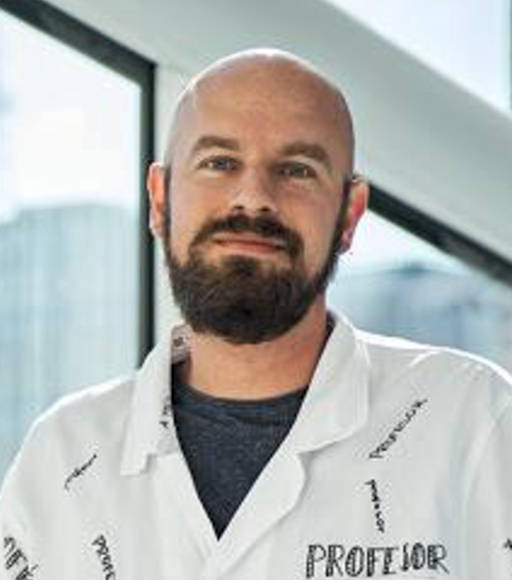 |
2025– In 2025, the vice-dean for science and research at our Faculty of Chemical Technology, Prof. Ondřej Jankovský, became the department head. |